Massage & Bodywork · Murrieta, CA
Gua Sha
- CAMTC-certified massage therapist (CAMTC #8438)
- ABMP professional member
What Is Gua Sha?
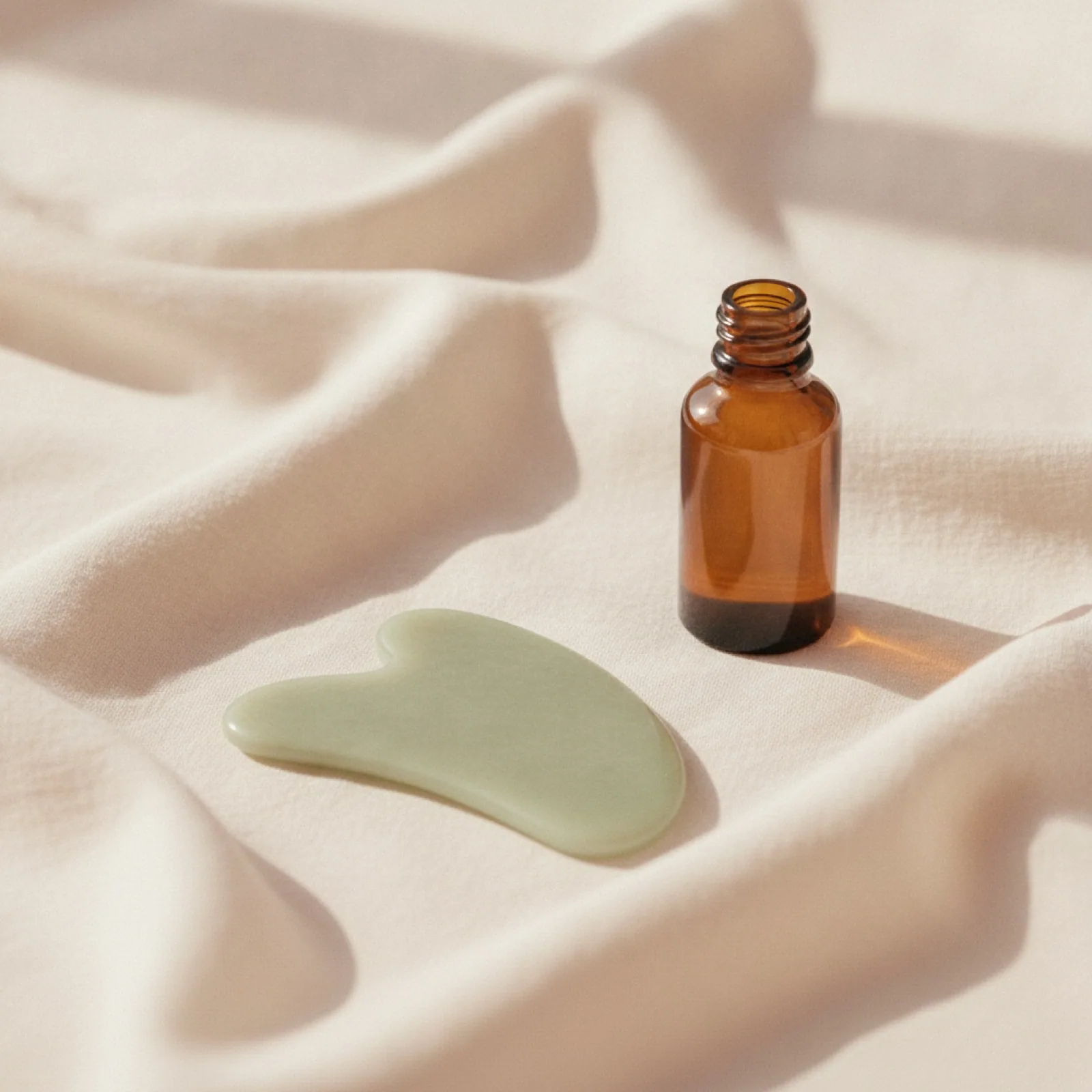
Gua sha is a bodywork technique that uses a smooth-edged tool in repeated strokes along the skin and muscle. I use it to bring broad, gliding pressure to areas that feel tight, often the neck, shoulders, and back. The strokes can support circulation and lymphatic flow as part of massage, but gua sha is not medical treatment. In trained hands, it is precise, not harsh. The name roughly describes the method: gua means to scrape or rub. If you found this page through skincare, body gua sha is different from the small facial tool on your bathroom shelf. This is professional massage work, and the difference matters.
How a Gua Sha Session Works
Here's what actually happens on the table. After warming the area with my hands, I move the tool in one direction along the muscle in smooth, repeated strokes. I often use it across the neck, shoulders, and back. It feels like firm, flat pressure that glides rather than digs. In my experience, people often worry it will feel sharp because of the word scraping. Once they feel the first light pass, that worry usually settles. You may see temporary redness where I have worked, sometimes speckled, called sha. It usually fades within a few days. I don't treat marks as a scorecard — some people show them readily, others barely at all. We calibrate the pressure together, and lighter strokes still do real work.
Body Gua Sha vs Facial Gua Sha at Home
Professional body gua sha and the at-home facial trend share a tool shape, but they are different kinds of work. Facial gua sha is light, self-directed skincare. What I do is firmer bodywork, chosen for muscle and the tissue around it and folded into a massage session. I do not offer facial gua sha or cosmetic facial work. If lymphatic flow itself is your main interest, lymphatic drainage massage is the dedicated service to consider.
Gua Sha vs Cupping
Gua sha scrapes along the surface; cupping therapy lifts it with suction. Both can be part of a session focused on tension, but they feel different on the table. Gua sha gives broad, directional pressure. Cupping feels more like lifting and decompression. Neither is automatically better. If suction does not appeal to you but gliding pressure does, gua sha may be the more comfortable place to begin. The tool is only one part of the session. I pay attention to your pressure preference, the areas that feel guarded, and how you respond as we go. Then I decide whether gua sha belongs in the work at all, and where. I learned that the listening part matters more than the tool. A few thoughtful passes can be enough; there is no prize for working every inch of skin.
Sha is the temporary red or speckled skin response that can appear after the strokes. It is not a goal or a measure of whether the session was good. The WebMD overview of gua sha also describes this temporary redness as part of the technique. Tell me if something feels sharp, hot, or simply like too much. I will adjust. Lymphatic flow is the movement of lymph fluid through the body’s lymphatic system. In this session, I use circulation-focused strokes as part of massage; I do not present gua sha as medical treatment. If you want the quieter, specialized approach centered on that system, lymphatic drainage is the better starting point.
What I check before the first stroke
We start with a short conversation. Tell me what has been bothering you, what pressure usually feels right, and anything you want me to avoid. I look at the whole session, not only the name you chose when you booked. Plenty of people arrive unsure whether they picked the right service — that's fine. Gua sha may be a focused part of the work, or hands-on massage may be a better fit that day. You do not have to decide perfectly before you come in. A common starting point is shoulders that feel pulled up after computer hours or a long drive. I might warm the area with massage first, then use a few measured passes across the upper back or along the shoulder. We pause and reassess. I noticed that the chance to speak up comes as a relief to most clients, especially those who expected the work to be more intense. The goal is thoughtful attention to the places that need it, not an endurance test.
Redness, Soreness, and When to Speak Up
Temporary redness and some tenderness in a worked area are possible. That is not an invitation to push through pain. I do not work over broken or irritated skin, and I need to know about relevant health history before we begin. The risk notes in WebMD’s gua sha guide are a useful reminder that this technique is not right for every area or every person. If you need medical advice, your clinician is the right person to ask.
Booking Body Gua Sha in Murrieta
I offer body gua sha by appointment at my office at 25109 Jefferson Ave Ste 120 in Murrieta. This is in-office bodywork, not a mobile, walk-in, or facial service. Sessions start from $75, and Square has the current choices, exact rates, and openings. If you are unsure whether gua sha, deep tissue massage, or another option fits, choose the closest match. We can talk through the details when you arrive. I’m a certified massage therapist (CAMTC #8438), and I will explain what I am doing before I do it. You can read more about my training and credentials or use the contact page for hours and booking details. Come in curious or cautious. Both are fine.
Most people arrive knowing gua sha from a facial tool they own — a different thing from what happens here. This is bodywork, not a skincare routine. For instance, the pressure and the pace across a tight upper back have very little in common with a jade stone used on cheekbones at home. I learned to set that expectation early so nobody is surprised by how firm and how deliberate the strokes are.
Before you book, it is worth knowing where I stand on what massage does. For most healthy adults it is comfortable, low-risk care, and the National Center for Complementary and Integrative Health puts the risk of harmful effects as low (NCCIH, 2024). The same source is candid that the evidence for pain relief is mixed rather than settled, and I would rather tell you that than oversell an hour on my table. If you want to know who you are booking with, my about page covers my training and certification, and the contact page has the map, current hours, and a short contact form. Feel free to look me up first — I'd rather you arrive feeling sure about who you're booking with.
At a glance
- Monday, Tuesday, Thursday: 9:00 AM - 5:00 PM
- Saturday and Sunday: 8:00 AM - 8:00 PM
- Wednesday and Friday: closed
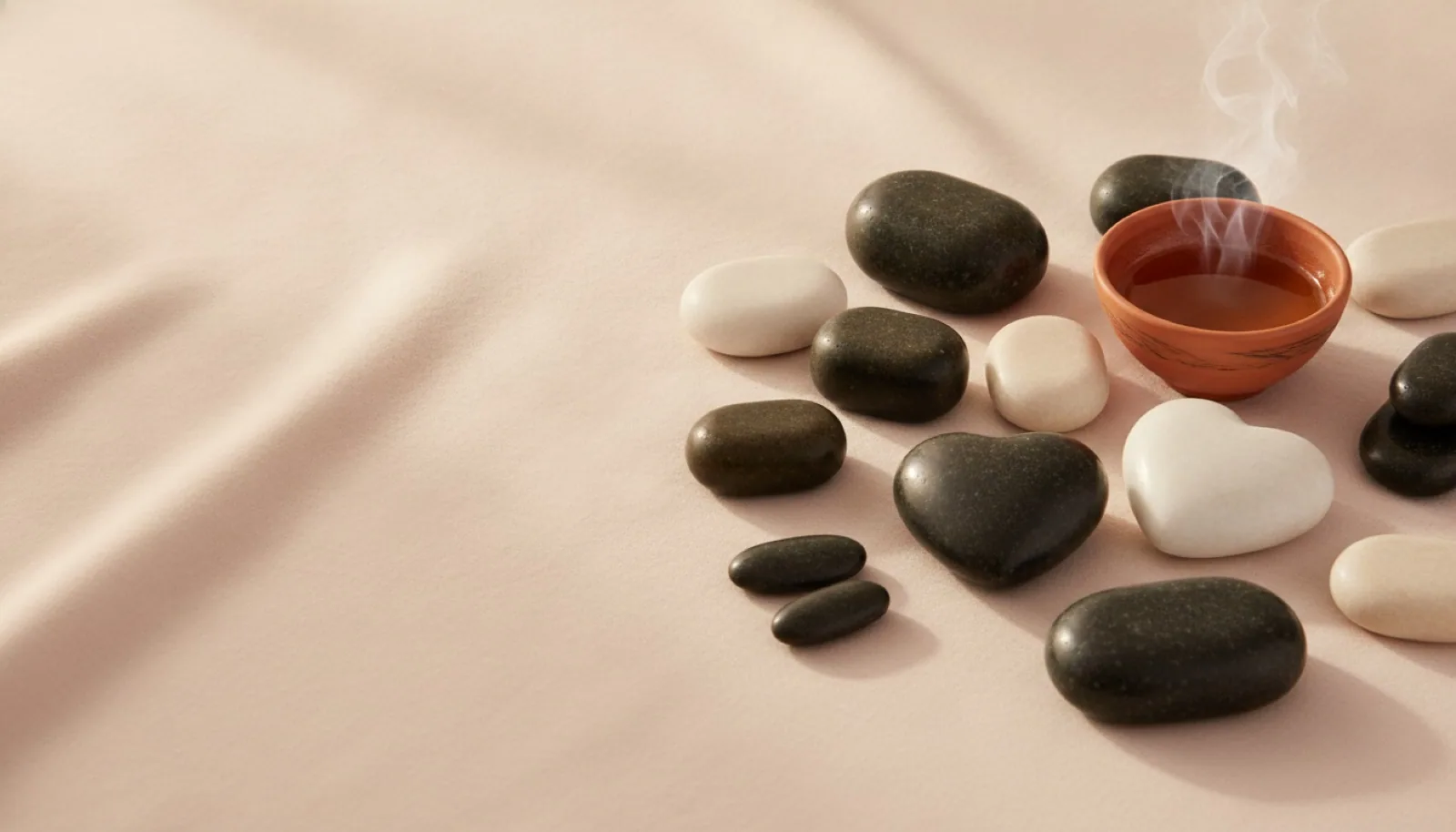
- Sessions from $75; the traditional 90-minute hot stone session is $150
- In-office only, by appointment, at 25109 Jefferson Ave Ste 120, Murrieta
Book your session
Customized bodywork in Murrieta
Every session is shaped to your body — therapeutic, deep tissue, and hot stone work, adapted to what you need that day.
Book a SessionGood to know
Frequently asked questions
Can a massage therapist do Gua Sha?
Yes, a massage therapist can use gua sha as part of bodywork when it fits their training and scope. In my Murrieta office, I use it as a massage technique for areas such as the neck, shoulders, and back, with pressure adjusted to you. It is not a facial-tool appointment or a substitute for medical care. We talk first, and I may recommend hands-on work, gua sha, or another approach based on what you bring in that day.
Does Gua Sha massage really work?
Gua sha massage can be a useful part of a session for someone who wants focused, gliding pressure over tense areas. The experience is individual: some people like the broad strokes right away, and others prefer a lighter hand or a different modality. I do not promise that it will treat a condition or produce a cosmetic change. My job is to listen, use the technique thoughtfully, and adjust when your body tells us a different approach makes more sense.
What are the downsides of gua sha?
The main downsides are temporary redness or speckled sha marks, tenderness, and the fact that the technique is not right for every area or every person. The marks can last a few days, so do not book it right before you need bare, unmarked skin for an event. I avoid broken or irritated skin and want to hear about relevant health history before we begin. You should speak up immediately if the pressure feels painful or wrong.
How much does a Gua Sha facial cost?
I do not offer facial gua sha, so I cannot quote a facial service from this practice. This page is for professional body gua sha integrated with massage at my Murrieta office, and sessions start from $75. The Square scheduler shows current appointment options and exact rates. If you are looking for work on facial skin, puffiness, jawline contouring, or wrinkles, that's outside the bodywork I offer, and I'd rather say so plainly than leave you guessing.