Massage & Bodywork · Murrieta, CA
Cupping Therapy
- CAMTC-certified massage therapist (CAMTC #8438)
- ABMP professional member
What Cupping Therapy Is
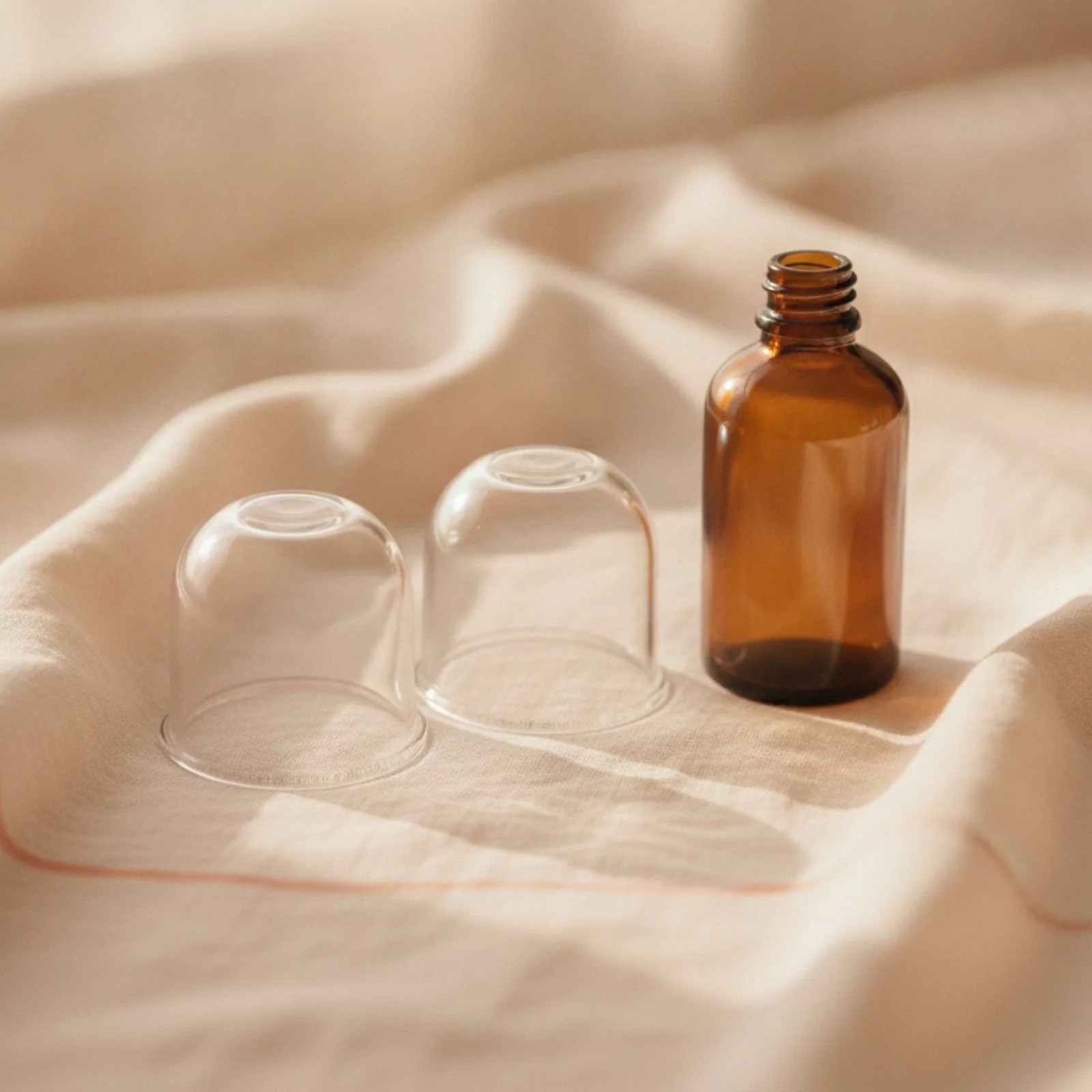
Cupping therapy uses suction to lift tissue instead of pressing into it. A cup creates a pulling sensation on the skin, so the direction feels different from massage pressure. In my experience, people usually book it because an area feels stubborn and they want a different kind of bodywork alongside massage. You can read more about my training and credentials before you book. I use dry cupping only: suction on intact skin, with no needles or incisions. I do not offer wet cupping, which is a different practice involving a blood draw. In practice, the cups sit for a few minutes at a time, then I move or glide them along the muscle with oil rather than leaving them in one spot the whole session.
Suction, Sensation, and Marks
Cupping marks are the first question I get, so here is the plain answer: cups can leave round red or purple circles where they sat. Cupping marks or discoloration are temporary color changes from suction, not a scorecard for how much work was done. Darker is not better. They often fade over several days to about a week, and they do not usually feel like an ordinary bruise. The Cleveland Clinic's overview of cupping explains the marks in plain language. And if something is coming up — a wedding, for example, or a pool day — just tell me and we'll plan around it. There are two ways I use cups in a session. Static cupping leaves a cup in one place briefly. Glide (dynamic) cupping uses oil so the cup can move along the muscle. It can feel unusual for the first minute or two: firm pulling rather than pain. Most clients tell me they settle once I adjust the suction and check in. I start conservatively, and you can ask me to lighten it, move it, or leave cups out entirely.
When Cupping Can Be a Good Fit
Cupping can be a useful addition when your shoulders, back, or other muscles feel overworked and you want a change from steady pressure. I often blend it into a broader session: some deep tissue or sports massage work first, then cups where an area still feels stuck. I noticed that people rarely need a whole session of cups. A little work in the right place is usually more comfortable. This is bodywork for comfort and recovery support, not medical treatment, and I do not make medical claims for it.
Comfort, Timing, and Aftercare
Bring up anything that makes marks inconvenient before we begin. Plans such as a sleeveless dress, a pool day, a photo session, or a work trip change the picture. We can use lighter suction, work a different area, or skip cups. You're never locked into what you originally booked. Afterward, treat marked skin gently: avoid direct sun or tanning, and skip another heat-heavy or friction-heavy treatment that day. Drink water, take it easy if you feel tired, and give yourself room to notice how you feel. If anything feels concerning or out of proportion, contact your healthcare provider rather than assuming it is part of the process.
Safety belongs in the intake conversation, not in a guess from a webpage. Cupping is not for broken skin, an active rash or infection, or areas with varicose veins. If you take blood-thinning medication, are pregnant, or have a health concern that affects circulation, pause and talk with the right provider first. The NIH-hosted StatPearls review of cupping therapy has a fuller discussion of contraindications. I am a massage therapist, not a doctor. I do not diagnose conditions, and I will not work over a place that does not look appropriate for massage.
Cupping vs Gua Sha
Cupping and gua sha are different tools, not competing treatments. Cupping uses suction: cups lift the tissue and stay in place or glide. Gua sha uses a smooth-edged tool to stroke along the muscle. The question I get most often is whether one is better. It is really about the sensation you prefer and what we find in the room. If you want lifting suction around a stubborn area, we can begin with cupping. If a lighter scraping stroke sounds more appealing, the gua sha page explains that option.
Booking Cupping in Murrieta
Cupping combines well with trigger point massage and myofascial release. See all services for the full menu. Most people do not need to choose the exact mix before they arrive. Tell me what has been bothering you, how much pressure you enjoy, and whether marks would be a problem this week. We can make a simple plan together. For studio hours, directions, or help choosing a session, get in touch before booking.
I learned to explain the marks before the cups come out rather than after. They are not bruises, they fade, and knowing that in advance changes how people feel about them. For example, someone with a wedding or a beach weekend coming up may want to move the session or skip cupping entirely, and that is much easier to sort out beforehand. I've found that once people know what the marks are, they relax about them. To be clear, I only offer dry cupping — suction on intact skin, no needles, no blood drawn — and any marks fade within days.
At a glance
- Monday, Tuesday, Thursday: 9:00 AM - 5:00 PM
- Saturday and Sunday: 8:00 AM - 8:00 PM
- Wednesday and Friday: closed
- Sessions from $75; the traditional 90-minute hot stone session is $150
- In-office only, by appointment, at 25109 Jefferson Ave Ste 120, Murrieta
Book your session
Customized bodywork in Murrieta
Every session is shaped to your body — therapeutic, deep tissue, and hot stone work, adapted to what you need that day.
Book a SessionGood to know
Frequently asked questions
What does cupping therapy actually do?
Cupping uses suction to lift the tissue under a cup rather than pressing down on it. In my sessions, that change in direction can be a useful way to work with areas that feel tight or overworked, usually alongside massage. The cups may stay in one place briefly or glide over oiled skin. It is bodywork for comfort and recovery support, not a medical treatment or a substitute for medical care.
What are the disadvantages of cupping?
The main tradeoff is that cupping can leave temporary circular marks, and some people feel mild soreness or fatigue afterward. It is also not appropriate over broken skin, active rashes, or infections, and some health situations need a provider's clearance first. If you take blood thinners, are pregnant, or have a condition that affects circulation, tell me before booking so we can decide whether to skip cups or choose a different approach.
What should you not do after cupping?
Avoid direct sun or tanning on marked skin and skip another heat-heavy or friction-heavy treatment that same day. Treat the area gently, drink water, and give yourself a little room to notice how you feel. There is no complicated recovery protocol. If you have something that feels unusually painful or concerning after any bodywork, contact your healthcare provider instead of assuming it is part of the process.
Is cupping better than a massage?
Cupping is not better than massage; it is a different tool. Massage uses pressure into the tissue, while dry cupping uses suction to lift it. Many people like the two together, especially when one area feels stubborn but they still want the rest of the session to be calming and balanced. You do not have to choose perfectly before you arrive. I can listen to what is going on and suggest a sensible mix.
does cupping hurt
Cupping should feel like firm pulling, not ordinary pain. The first minute or two can feel unfamiliar because the sensation goes in the opposite direction from massage pressure, but most people settle into it once the suction is adjusted. I start conservatively and check in as we go. If it feels sharp, pinchy, or simply too intense, say so right away and I will reduce the suction or move on.
how often should you do cupping
There is no one schedule that fits everyone. How often cupping makes sense depends on why you are coming in, how your skin responds, and whether you enjoy the sensation and marks. At a first session, we can see how dry or glide cupping feels for you before deciding whether it belongs in future massage appointments. I would rather make that call with you than prescribe a routine from a webpage.